Why Small Choices Break Big Impressions
You plan the launch, the visuals are set, and the story is strong. Square perfume bottles sit on the mockup shelf, sharp and calm. Then the first shipment arrives, and the atomizer leaks during transit. A cap wobbles on camera. A gift box strains at one corner. In one pilot, we saw a 17% return spike traced to a tiny mismatch at the neck finish—yani, one small joint, big pain. Industry tests show similar patterns: when edge radius and pump torque are off by millimeters, spray plumes drift and shelf wear climbs fast.
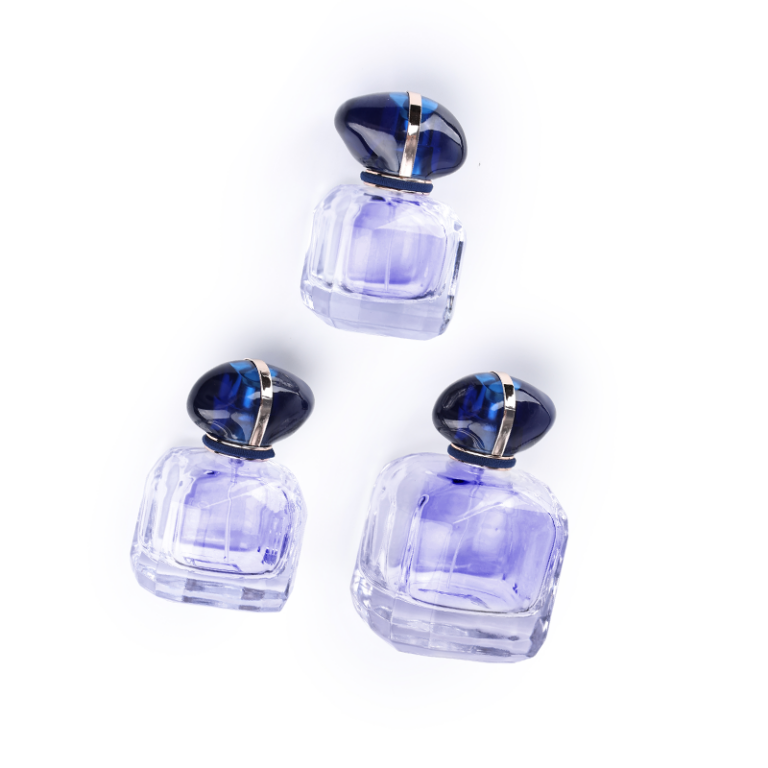
So, what did we miss? We assumed “square” meant stable. We assumed a stock bottle would behave the same across suppliers. It does not. Surface tension at the corners, coating quality, and tolerance stack all amplify small risks. Your scent may be great. But if the bottle opens rough or the spray angle feels weak, the first impression drops. Consumers notice inconsistency more than beauty—funny how that works, right? This is why we compare choices, not just by price, but by build logic, test data, and fit with your line speed. Shall we go under the hood next?
Under the Hood: Why Custom Solves What You Can’t See
Where do the hidden errors start?
In Part 1, we mapped the obvious wins and misses. Here, we go technical. With custom square glass perfume bottles, the flaws in traditional “grab-and-go” stock get exposed. Stock molds fix your geometry to a generic cavity. That limits control over corner radius, wall thickness, and neck finish. On the line, those small gaps show up as pump misfit or micro-leaks. The IS machine may run fine, but if the annealing lehr profile isn’t tuned for your mass and shape, residual stress creeps into the edges. Then a small drop test becomes a big crack. Look, it’s simpler than you think: shape drives stress; stress drives breakage; breakage drives cost.
Custom work lets you set the tolerance stack for the whole system—bottle, pump, cap, collar. You specify crimp pump dimensions, dip-tube angle, and sprayer torque. You choose hot end coating and cold end coating to manage scuff and glide. You define the shoulder plane so labels sit flat, not bowed. Traditional fixes chase symptoms: thicker glass, tighter caps, more foam in shipping. Those add weight and cost, yet they don’t cure root causes. When geometry, coatings, and fit share one spec, the bottle behaves like a single unit, not parts in truce—and yes, it matters.
From Tweak to System: The Next Wave in Square Bottle Design
What’s Next
Forward-looking brands now treat square bottles as systems. Not parts. The new principle is simple: simulate before you scale. Digital twins model edge stress, corner flow, and spray plume under varying torque. Vision systems check neck finish and finish flatness in-line, not after the fact. When a square glass perfume bottles factory uses AI defect mapping and SPC, you get fewer surprises. FEA predicts how the shoulder transfers force on impact. CFD shows how the atomizer channel shapes the mist. This reduces trial rounds, and it protects that quiet luxury you need on-shelf.
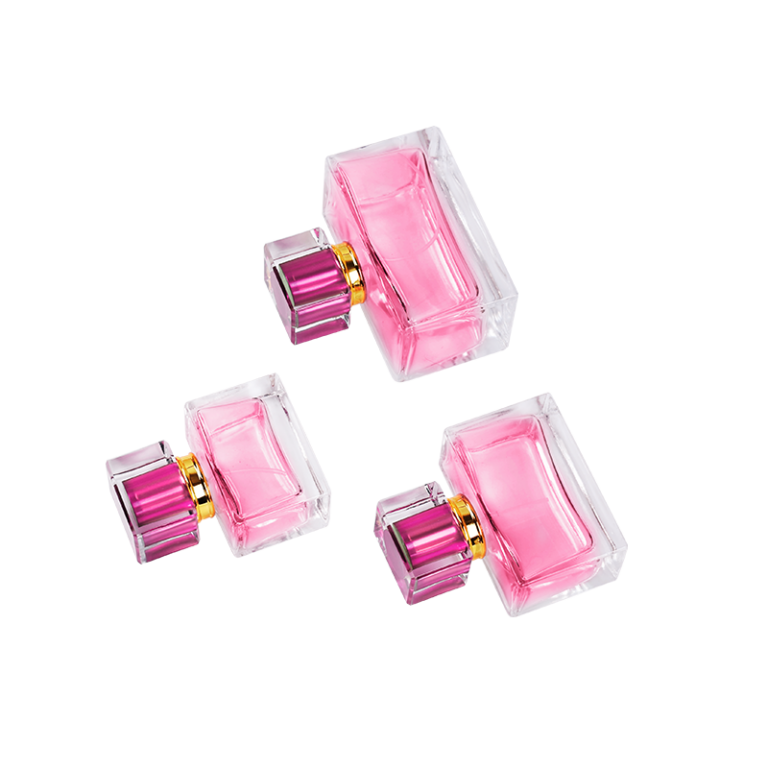
Comparative view: stock workflows react; custom, model-driven workflows prevent. The first one fights hotspots with extra padding. The second tunes the mold cavity and cooling curve so hotspots never form. The first one adds glass mass to “feel premium.” The second balances wall thickness so weight feels intentional, not clumsy. Summing up, your real gains come from three checks that you can track. Advisory close: 1) Fit quality: neck finish tolerance vs. pump spec (measure leak rate and spray angle deviation). 2) Stability under stress: edge fracture rate after drop/thermal cycling (target below 1% in QA sampling). 3) Consistency in appearance: scuff index after line handling and shipping (validate with hot end and cold end coating data). Choose with these metrics, compare vendors on evidence, and you will feel the shift from fixing to predicting. For deeper guidance without fluff, see NAVI Packaging.
