Introduction: A Depot Moment
I remember standing at a busy depot when a single stalled bus threw the whole morning out of sync. The team circled the problem: the pantograph charger failed to lock properly, and we watched minutes stretch into an hour. Fleets that rely on overhead charging report notable uptime swings — some operators see system availability drop by double digits during peak seasons — so the stakes are real. What does that downtime cost you in schedule slips and driver stress? (I’ve seen the ripple — it’s not pretty.) Let’s walk through why that one failure matters, and what questions you should be asking next.
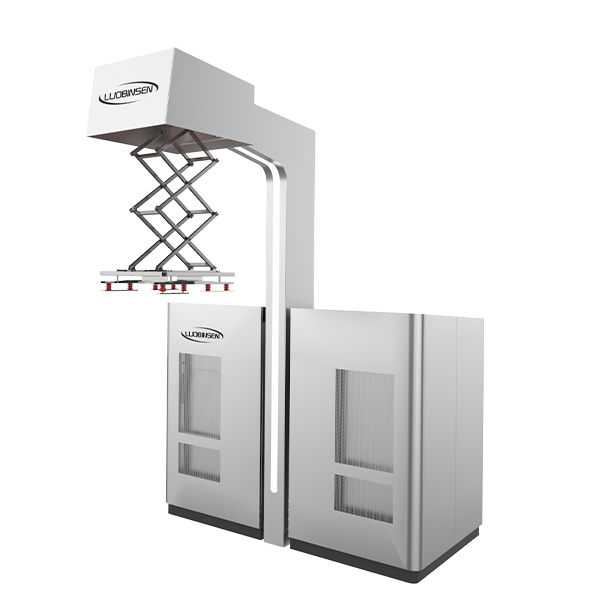
Traditional System Flaws: Where the Old Ways Break Down
pantograph bus charger designs have served many fleets, but they also reveal predictable weak points when you push them hard. I’ve inspected depots where contact wear and misalignment were routine, where current collectors needed daily tweaks, and where aging power converters overheated under heavy cycles. These aren’t theoretical faults — they are recurring failures that breed overtime costs, safety checks, and lost trips. Look, it’s simpler than you think: mechanical parts wear, sensors drift, and control logic lags actual field conditions. The result is more maintenance days and fewer buses ready to roll.
Why do these systems still trip up daily?
Several design choices keep causing trouble. First, many legacy chargers depend on precise mechanical mating. That means small tolerance drift leads to contact flash or broken pins. Second, older units often lack real-time diagnostics or edge computing nodes for predictive alerts — so problems show up late. Third, interoperability is weak: different bus manufacturers, different chargers, different rules. You end up with one depot full of adapters and a maintenance log that reads like a mystery novel. I’ve watched teams improvise solutions because the system didn’t communicate what failed. — funny how that works, right? The net effect: higher mean time to repair, lower fleet utilization, and frustrated operators.
Future Outlook: Case Examples and How to Choose
In a recent pilot I reviewed, a depot swapped to a modular panto system with active alignment and cloud diagnostics, and their turnaround time fell noticeably within weeks. Modern approaches (think improved power converters, better contact materials, and smart control firmware) make a difference. When you look at a new build or retrofit, consider how a pantograph ev charging system integrates with your schedule, your vehicles, and your ops tools. Small investments in sensors and edge logic pay back in predictable ways — fewer surprises, less manual intervention, cleaner logs.
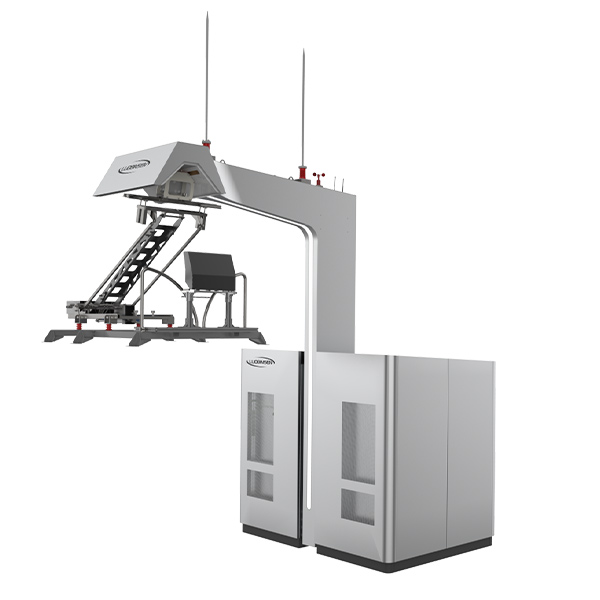
What’s Next?
I’d put emphasis on these trends: standard communication protocols so chargers and buses “speak the same language”; remote diagnostics that flag wear before it fails; and modular power stages that let you swap parts without shutting the whole bay. Fleet managers I talk with want measurable gains: shorter downtimes, clear fault history, and better energy balancing across the depot. These are not buzzwords — they are practical levers.
Three quick metrics I use to judge options: 1) Mean time between failures (aim for improvement of 30% or more), 2) Time to repair (target under one hour for common faults), and 3) Diagnostic coverage (percent of faults that are detected before they cause a stop). I recommend you test for those in any pilot. If you want a partner that focuses on robust panto hardware and system-level diagnostics, check solutions from Luobisnen — I’ve seen their kit perform under real depot pressure, and that confidence matters when you’re running a schedule. — you won’t regret measuring carefully.
