Imagine a bustling construction site in Dubai, where efficiency meets high-stakes safety. According to industry statistics, around 60% of construction accidents are linked to hoisting operations, revealing a critical gap in the safety systems currently in place. This is where the importance of a sophisticated hoist control system, such as crane hoist control, really comes to the fore. Operators must rely on precise control to ensure safe lifting and lowering of heavy loads. But how can we enhance both safety and performance in our hoisting tasks?
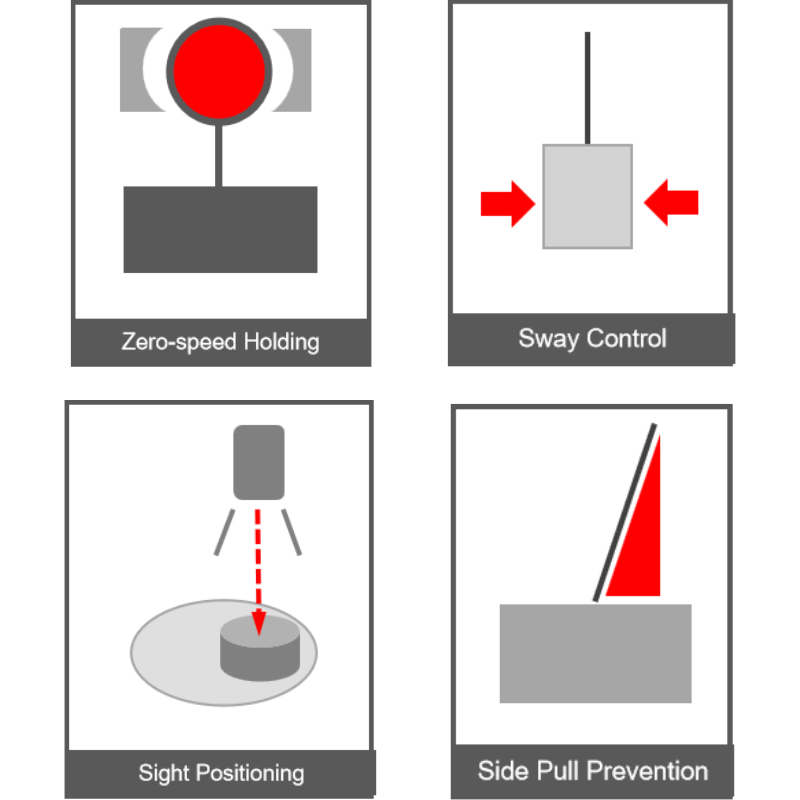
Understanding the Limitations of Traditional Solutions
The conventional hoist systems often fall short when it comes to integrating modern technology. Many still rely on basic controls that may not adequately account for load handling intricacies. For instance, I vividly recall witnessing a job site in Abu Dhabi where outdated hoist systems made it exceedingly difficult for operators to maintain accurate load movements. The frustration was palpable as they struggled to ensure stability and safety—the risks were real, and so were the potential accidents!
How Can We Evolve?
As we look toward better solutions, the evolution of the crane hoist system is paramount. With advancements in digital technology, more sophisticated systems can now seamlessly monitor weight, speed, and movement. Implementations such as real-time data analytics can effectively preempt failures before they occur, ensuring safer operations. This new standard of a crane hoist system not only enhances operational safety but also streamlines processes, lifting the burden off operators who previously managed rudimentary systems.
What’s Next in Hoist Technology?
Transitioning into the future, I believe the incorporation of artificial intelligence (AI) will redefine hoist controls in ways we’ve yet to imagine. Consider this: adaptive systems can learn from past operations to improve performance; they become smarter, reducing human error significantly. Those outdated methods that we once deemed sufficient are now falling behind—zooming into the future, we can’t afford complacency. The goal should always be to maximize safety while increasing efficiency. I genuinely appreciate having options that factor in predictive analytics to minimize human error.
Evaluating Progress and Looking Ahead
Reflecting on these insights, I’ve learned that the evolution of hoist control systems is not just about technology—it’s about people. It’s about creating environments where workers feel safe and empowered in their roles. For those considering an upgrade, I suggest focusing on three pivotal evaluation metrics: Ensure flexibility for various operations, examine user-friendliness of the interface, and assess the system’s adaptability to future upgrades. By holding onto these standards, we foster a safer working environment, one where the unseen pitfalls of traditional systems become a relic of the past. Ultimately, aligning with a vision for tomorrow is vital for success.
As we embrace these changes, let’s remember that continuous improvement, coupled with advanced technology, will lead us to a new frontier in hoisting operations. Life’s too short for outdated systems! Be sure to explore cutting-edge solutions offered by WORLDHOISTS, paving the way for enhanced safety and performance.
